
SARS-CoV-2 antibody responses
ISARIC4C have, in this study shown discernible differences in the humoral immune responses between males and females. These differences associate with age as well as with resultant disease severity. The SARS-CoV-2 pandemic enables the analysis of immune responses induced against a novel coronavirus infecting immunologically naïve individuals. This provided an opportunity for analysis of immune responses and associations with age, sex and disease severity. The investigators measured an array of solid-phase binding antibody and viral neutralising Ab (nAb) responses in participants (n=337) of the ISARIC4C cohort and characterised their correlation with peak disease severity during acute infection and early convalescence. Overall, the responses in a Double Antigen Binding Assay (DABA) for antibody to the receptor binding domain (anti-RBD) correlated well with IgM as well as IgG responses against viral spike, S1 and nucleocapsid protein (NP) antigens. DABA reactivity also correlated with nAb.
Adeno-associated virus 2 infection in children with non-A-E hepatitis
ISARIC4C researchers found the link between adeno-associated virus 2 (AAV2) and acute hepatitis of unknown cause in children. This publication in Nature is the first peer-reviewed and detailed investigation of this worldwide outbreak. At the height of the outbreak in 2022, ISARIC4C researchers rapidly released early data within the UKHSA technical reports and made it available online as a medrxiv preprint.
Within months of the start of the outbreak, ISARIC4C researchers showed that co-infection with 2 viruses and a genetic variant that made some children more susceptible to severe disease were the most likely cause of this unknown outbreak in children.
ISARIC4C in collaboration with Public Health Scotland and UKHSA found that the common virus AAV2 (adeno-associated virus 2) was present in a range of different samples taken from children with acute unexplained hepatitis. In contrast, AAV2 was not found to be commonly present in samples taken from children in the control groups. Researchers believe that AAV2 virus may have played a key role in the development of acute hepatitis in a small number of young children around the world.
The ISARIC4C team were the first in the world to identify the AAV2 connection with recent childhood hepatitis cases.
Rapid recruitment with the help of NHS staff and data sharing with public health agencies were only possible as the ISARIC4C study infrastructure with data sharing through the Outbreak Data Analysis Platform (ODAP) was already set up.
«««< HEAD
======= More urgent questions remain, including the mechanisms underlying disease - so work is continuing at pace with the aim to answer more of these questions to understand this disease in the coming months.
origin/main
Antibody responses in dried blood spots
There is good agreement between the neutralising antibody (nAb) responses measured in eluted DBS and paired sera. This emerged from this study by ISARIC4C, supporting the use of filter paper as a viable sample collection method to study n(Ab) responses. The management of the ongoing SARS-CoV-2 is evolving following the introduction vaccines. Hence, ISARIC4C identified the importance of measuring nAb to monitor vaccine efficacy. Considering the large-scale sero-surveillance, ISARIC4C resorted to use of fingerstick dried blood spots for the sample collection; as these are inexpensive and easy to manage i.e. transportation and storage. The team also measured nAb responses in sera, venous blood and fingerstick blood stored on filter paper at room temperature.
Genetic Variants underlying Critical COVID-19
ISARIC4C researchers and the GenOMICC team have previously shown that genetics can help us to choose which drugs might be effective in treating critically ill patients, when they discovered a genetic clue that pointed to a specific treatment for Covid-19: a drug called baricitinib. This was the first proof-of-concept in critical illness and infectious disease for finding an effective drug using human genetics. A total of 49 genetic variants associated with critical illness in COVID-19 were identified. To explore whether these variants can identify new drugs, these teams investigated the link between protein-coding variants, gene and protein expression. They found druggable targets in multiple systems in the immune response, including inflammatory signalling (JAK1), monocyte-macrophage activation and endothelial permeability (PDE4A), and immunometabolism (SLC2A5, AK5). It was found that these protein-coding variants have the potential for therapeutic use with existing compounds able to inhibit or induce a response to inflammatory stimulation. For the first time, ISARIC4C and the GenOMICC team have also shown how multiple genes of the patient involved with viral entry are associated with severe disease. This gives clear evidence of the capacity of host genetics to reveal core mechanisms of disease. Together, these results deepen understanding of critical COVID-19 and highlight new mechanisms of disease, several of which have the potential to lead to new, effective treatments.
Pediatric COVID-19 Severity
Measurement of COVID-19 severity in children is key to determine the implications associated with the pandemic. The results of this study highlighted the importance of considering different age groups when assessing disease severity in COVID-19. ISARIC4C further observed that results were consistent when data were restricted to unvaccinated children. To gain insight, the ISARIC4C team obtained data from hospitalised children across different age groups and countries. The severity of disease was assessed by admission to Intensive Care Units, the need for ventilator support or oxygen therapy. The different implications of the severity among the children is possibly attributable to the multiple SARS-CoV-2 variants emerging over the COVID-19 pandemic.
Recovery from COVID-19 critical illness
Fatigue may be less severe in patients who have recovered from Covid-19 than after other illness. ISARIC4C carried out a study to compare the prevalence and severity of fatigue in 92 Covid-19 versus 240 non-Covid-19 critical illness survivors. The study also explored the potential associations between baseline characteristics and worse recovery. ISARIC4C used secondary analysis of two prospectively collected data sets. The main outcome measures were self-reported fatigue severity and the prevalence of severe fatigue (severity>7/10) 3 and 12-months post hospital discharge. In the total sample of IMV-patients included (i.e. all Covid-19 and pre-pandemic patients), having Covid-19 was significantly associated with less severe fatigue (severity <7/10) after adjusting for age, sex and prior comorbidity (adjusted OR 0.35 (95%CI 0.15-0.76, p=0.01).
Genomic investigations of unexplained acute hepatitis in children
ISARIC4C researchers worked closely with researchers led by Prof Judith Breuer at Great Ormond Street hospital and University College London. Samples from 28 children with hepatitis were tested, five of whom required liver transplants. High levels of AAV2 was detected in most of these children.
The results of this study supported and corroborated the results found in the Scottish children with acute hepatitis led by Prof Emma Thomson and the ISARIC4C researchers.
Both these two ISARIC4C studies on acute hepatitis in children were able to rule out recent or prior Covid infection as a direct cause for the acute hepatitis – although neither has been peer reviewed.
Since AAV2 cannot replicate without a “helper” virus, the researchers believe co-infection with a second virus – an adenovirus, or less often a herpes virus called HHV6 – may explain the onset of severe hepatitis.
Larger studies are still urgently needed to investigate the role of AAV2 in paediatric hepatitis cases as many unanswered questions remain.
Whole-genome sequencing reveals host factors underlying critical COVID-19
This research article outlines key findings from the GenOMICC study, using whole-genome sequencing in 7,491 critically ill individuals compared with 48,400 controls to discover and replicate 23 independent variants that significantly predispose patients to critical COVID-19. This included novel 16 variants which were yet to be identified. The multiple variants found in this study tended to be involved in the two mechanisms which have been proposed as the major drivers of severe disease: failure to control viral replication; or an enhanced tendency towards pulmonary inflammation and intravascular coagulation. This article determines the use of the GenOMMIC study in comparing cases of critical illness against population controls in the highly efficient detection of therapeutically relevant mechanisms of disease.
Co-Infection with influenza virus is associated with worse outcomes in hospitalised Covid patients
This analysis provides a clear answer to a simple question: what is the effect of co-infection with common viruses on top of Covid? We compared outcomes across people who tested positive for three different viruses (influenza (flu) virus, adenovirus, and RSV) and found that co-infection with the flu virus was associated a higher chance of critical illness and death. This has direct implications for the NHS, suggesting that we should test patients more often for flu. It also provides another reason to vaccinate people more widely against both flu and Covid, particularly as flu is expected to make a comeback in 2022. As with much of our work, this was discussed immediately at the UK government advisory group, SAGE, and has already influenced the thinking around policy.
Sharing samples and data
ISARIC4C was designed from the outset as a foundation for the UK outbreak response, supporting researchers across the country.
The 4C consortium has:
- Responded to clinical 120 data requests, providing data to 100 collaborators
- Shipped out a total of 21,000 samples from our hub labs in Liverpool and Glasgow
- Provided sample sets to 21 different institutions (Universities, Public Health England, NIBSC, Francis Crick Inst., NIH)
Dynamic data feeds from the data analysis platform are provided via API to Public Health in England & Scotland & SPI-M with independent reports prepared by them for NERVTAG and SAGE.
Impacting Policy
ISARIC4C Tier 0/CO-CIN fed data dynamically through the Outbreak Data Analysis Platform (ODAP) to Public Health Scotland, Public Health England, SPI-M, NERVTAG and SAGE. SPI-M have been highly productive and published several analysis that informed Policy.
The data were used to inform the NHS England Independent Advisory Group concerning the use of neutralising monoclonal antibodies and anti-viral drugs in high-risk clinical subgroups.
Other key UK policy documents citing ISARIC4C/ODAP data
-
COVID-19: the green book, chapter 14a.
a. cites Docherty AB, et al. Features of 20133 UK patients in hospital with covid-19 using the ISARIC WHO Clinical Characterisation Protocol: prospective observational cohort study https://doi.org/10.1136/bmj.m1985
b. Swann OV, et al. Clinical Characteristics of children and young people admitted to hospital with COVID-19 in United Kingdom: prospective multicentre observational cohort study https://doi.org/10.1136/bmj.m3249
-
Remdesivir – national prescribing guidance
Risk prediction: the 4C Mortality Score
Using data from 57, 824 hospital admissions, we developed and validated an easy-to-use risk stratification score based on commonly available parameters at hospital presentation. The 4C Mortality Score outperformed existing scores, showed utility to directly inform clinical decision making, and can be used to stratify patients admitted to hospital with covid-19 into different management groups. Generation of the 4C mortality score was supported by the Outbreak Data Analysis Platform (ODAP).
The 4C Mortality Score can be found here: isaric4c.net/risk
The 4C Mortality Score has been extensively validated in independent studies across the world. Validation of the 4C score showed similar discrimination in the following countries:
- Singapore
- Japan
- United States
- Brazil
- Brazil and Spain
- Belgium
- Saudi Arabia
- Australia
- France
- The Netherlands
- Italy
- Pakistan
- Turkey
- Canada, Toronto
- Canada, Ontario
- Romania
Using data from the second wave of the COVID-19 pandemic in the UK, a prospective validation study showed that both the 4C Mortality Score and 4C Deterioration Score demonstrated consistent performance to predict clinical deterioration and mortality. Despite recent advances in the treatment and management of adults hospitalised with COVID-19, both scores can continue to inform clinical decision making.
TEST
TEST
Suppression of virus replication in COVID-19 patients
Human Leukocyte Antigen E (HLA-E) restricted T-cells could contribute to the control of Severe Acute Respiratory Syndrome Coronavirus 2 (SARS-CoV-2) infection alongside classical T cells. According to this study, ISARIC4C described five peptides from SARS-CoV-2 that elicited HLA-E-restricted CD8+ T cell responses in convalescent patients with coronavirus disease 2019. HLA-E peptide-specific CD8+ T cell clones, which expressed diverse T cell receptors, suppressed SARS-CoV-2 replication in Calu-3 human lung epithelial cells. Pathogen-specific CD8+ T cell responses restricted by the non-polymorphic non-classical class Ib molecule HLA-E are rarely reported in viral infections.
Characterisation of hospitalised cases of COVID-19
Within weeks of being funded, we produced the largest study anywhere in the world of COVID-19 cases, enabling us to produce the most accurate risk prediction models for the UK population. These will continue to improve. The first one shows that obesity is an important risk factor amongst many. This finding will help to protect people at high risk of death from COVID-19. Our preprint is now online Features of 16,749 hospitalised UK patients with COVID-19 using the ISARIC WHO Clinical Characterisation Protocol. We have also produced an interactive infographic to help communicate these findings.
Genetic mechanisms of severe Covid-19
In collaboration with the ISARIC GenOMICC study we discovered multiple genes that underlie critical illness in Covid-19, including several that led directly to potential therapeutic targets. In 2244 Covid cases, we compared severely ill patients with matched members of the population from three other studies (UK Biobank, Generation Scotland and 100,000 Genomes). We found genes involved in two molecular processes - antiviral immunity and lung inflammation - were important in determining the development of severe Covid-19. We replicated our findings in additional studies (Covid-19 HGI and 23andme). The associations with disease are robustly confirmed in these studies. Although we know the DNA associations are real, we can’t always be sure exactly how these variants lead to disease. The most likely genes underlying each of the four new discoveries are IFNAR2, TYK2, OAS1, DPP9. The action of some genetic variants is similar the the action of drugs - either increasing or decreasing the amount of a particular molecule or signal. We can use this to predict new treatments. This evidence has influenced the inclusion of baricitinib in the RECOVERY trial.
Clinical characterisation of Covid-19 in children
We have comprehensively characterised the burden and patterns of disease in children in the UK, demonstrating that life-threatening disease in otherwise healthy children is extremely rare. This had direct impact on public health policy in the UK and abroad.
Characterisation of in-hospital complications associated with COVID-19
As well as death, severe COVID-19 disease has effects on many different organ systems. In this study, published in The Lancet, we characterised the burden of complications and organ injury in 73,197 patients admitted to hospital between January and August 2020. We found that nearly 1 in 2 people had at least one complication. Having a complication was associated with higher rates of critical care admission and mortality. When we studied predictors of complications, we identified that unlike in the case of mortality, where older, more frail people had a higher chance of death, younger people were also at risk of developing complications. This study received international media attention and coverage from the BBC, ABC, Sky news, ITV, STV and most major UK newspapers. This work was also the subject of a system-wide NIHR update.
UK Paediatric COVID-19 cases in the first and second pandemic wave
The data from paediatric patients in the ISARIC4C study were used to help inform SAGE for the vaccination policy in children and young people earlier in 2022. Even though there was a change in the viral variant, a relaxation of shielding, and a return to face-to-face schooling, no evidence of increased severity in paediatric COVID-19 hospital admissions was found between the second and first waves of the COVID-19 pandemic.
WHO guidelines on the use of chest imaging in COVID-19
The ISARIC-CCP UK study has aided in the creation of the 2022 World Health Organisation (WHO) guidelines for the use of chest imaging in COVID-19. These guidelines state that “for patients with suspected or confirmed COVID-19, not currently hospitalized but with mild symptoms, WHO suggests using chest imaging to in addition to clinical and laboratory assessment to decide on hospital admission versus home discharge”. This guideline is based on patients first undergoing the validated risk stratification tool outlined in ISARIC-CCP.
Using a double binding antigen assay to detect and measure SARS-CoV-2 antibodies
Accurate and sensitive detection of antibody to SARS-CoV-2 remains an essential component of the pandemic response. Measuring antibody that predicts neutralising activity and the vaccine response is an absolute requirement for laboratory-based confirmatory and reference activity. The viral receptor binding domain (RBD) constitutes the prime target antigen for neutralising antibody. A hybrid double antigen binding assay (DABA) for anti-RBD showed a specificity of 100 % on 825 pre COVID-19 samples and a potential sensitivity of 99.6 % on 276 recovery samples, predicting quantitatively the presence of neutralising antibody determined by pseudo-type neutralization and by plaque reduction.
Treating COVID-19 patients with dexamethasone and remdesivir prevents neurological complications
Preventing the development of neurological complications after severe COVID-19 infections remains an important aim for doctors. Data from the ISARIC4C study group showed that individuals who go on to have neurological issues after being hospitalised with COVID-19 do not recover as well and have an increased risk of death. This study showed that patients treated with dexamethasone, a commonly used steroid, or remdesivir, an antiviral drug first used in hepatitis C, were less likely to have neurological issues than those who were not treated. The use of both of these drugs together further reduced the risk of complications.
Circulating histones play a central role in COVID-19-associated coagulopathy and mortality
COVID-19 has highlighted the lethal consequences of immunothrombosis; i.e. the cross-talk between coagulation, inflammation and the innate immune system. These patients have significant immune cell death, which can release pro-coagulant and cytotoxic histones. In this translational study, we showed that circulating histones play a central role in critically ill COVID-19 patients with admission histone levels significantly elevated with increasing severity of COVID-19 infection.
Hospital acquired COVID-19 in England during the first wave of the pandemic
Using data from the ISARIC4C UK COVID-19 Clinical Information Network study, this study identified that 1 in 5 hospitalised patients in England during the first wave of the pandemic caught the virus while hospitalised for other causes. However, this accounted for less than 1% of all COVID-19 cases in England, both hospitalised and not.
Long Covid in adults discharged from UK hospitals after Covid-19
It is emerging that long-term symptoms are often present in people who have had acute Covid-19 disease. We found that over half of patients reported not feeling fully recovered several months after onset of Covid-19 symptoms. The symptoms reported include fatigue, followed by breathlessness. These findings were present in young, previously healthy working age adults, and were most common in younger females.
Detecting SARS-CoV-2 by non-invasive means
Finding non-invasive methods to detect the SARS-CoV-2 virus has been essential for rapid self-testing during the pandemic. This study compared gingival crevicular fluid (GCF), taken by swabbing the gums, to blood samples from patients in the ISARIC4C UK study. It was shown that GCF taken from the gums can detect the virus, and higher levels of SARS-CoV-2 antibodies in the GCF in the early acute phase of the illness are linked to more severe COVID-19 infections.
Understanding the Omicron variant and how it responds to vaccination
The Omicron variant of the SARS-CoV-2 virus spread rapidly, even in those who had been vaccinated against it. This study examined the different DNA sequence of this viral variant to determine mutations in the virus from patient blood samples from the ISARIC4C study and the effect these mutations have on the ability for the vaccination to prevent infection or illness. Understanding these alterations can help with future vaccine strategies and prevent more rapidly spreading SARS-CoV-2 variants in the future.
Tissue proteomic analysis identifies mechanisms and stages of immunopathology in fatal COVID-19
Peripheral blood inflammatory profiles are increasingly well characterised in Covid-19 but knowledge of the host response within inflamed tissues is lacking. Post-mortem lung and spleen whole-tissue proteomics identified differentially abundant proteins of mechanistic and translational interest (including MCP-3, TYMP, EN-RAGE and CSF-1). Lung proteomic clusters identified distinct disease stages that differed in pulmonary viral presence, inflammation severity, illness duration, and abundance of proteins of interest including IL-6 and IRAK1
Evaluation of effectiveness of remdesivir in treating severe COVID-19
Adults with severe COVID-19 treated with remdesivir were compared with propensity-score matched control, identified from the ISARIC-CCP UK study. Remdesivir patients were matched to controls according to baseline underlying 14-day mortality risk. Remdesivir did not significantly improve mortality in this study.
Distinct clinical symptom patterns in patients hospitalised with COVID-19
Although the most common symptoms of COVID-19 tend to be fever, cough, and difficulty breathing, many other symptoms have been reported, including fatigue, confusion, diarrhoea, and vomiting. Using the data from 59,011 patients in the ISARI4C study. Patients presenting with gastrointestinal symptoms were more commonly female, had a longer duration of symptoms before presentation, and had lower 30-day mortality. On the other hand, patients presenting with confusion were older and had a higher unadjusted mortality. This study suggests four different groups of patients with differing symptoms, with or without the core three symptoms, that should be treated differently if hospitalised to prevent mortality.
Vitamin D insufficiency in COVID-19 and influenza A
Vitamin D deficiency/insufficiency was present in the majority of hospitalised patients with Covid-19 (ISARIC4C study) and influenza A (MOSAIC study, 2009-10 H1N1 pandemic), correlated with severity and persisted in non-selected critical illness survivors (prior to Covid-19 pandemic) at concentrations expected to disrupt bone metabolism. These findings support early supplementation trials to determine if insufficiency is causal in progression to severe disease, and investigation of longer-term bone health outcomes.
Non-steroidal anti-inflammatory drug use and outcomes of COVID-19
Early in the pandemic it was suggested that pre-existing use of non-steroidal anti-inflammatory drugs (NSAIDs) could lead to increased disease severity in patients with COVID-19. NSAIDs are an important analgesic, particularly in those with rheumatological disease, and are widely available to the general public without prescription. Using data from 78,674 patients in ISARIC4C, we showed that NSAID use is not associated with higher mortality or increased severity of COVID-19. To our knowledge, our prospective study includes the largest number of patients admitted to hospital with COVID-19 to date, and adds to the literature on the safety of NSAIDs and in-hospital outcomes. NSAIDs do not appear to increase the risk of worse in-hospital outcomes. NSAIDs are an important analgesic modality and have a vital opioid-sparing role in pain management. Patients and clinicians should be reassured by these findings that NSAIDs are safe in the context of the pandemic.
Role of blood cytokines IL-6 and GM-CSF in severe COVID-19
We have identified new biomarkers of inflammation that both reveal the severity of COVID-19 and set it apart from severe influenza. Many inflammatory cytokines were found in greater numbers in severe COVID-19 and that these levels generally indicate severe disease. We identified patterns within the data that were the most clearly linked to severe cases of COVID-19; two cytokines in particular, IL-6 (interleukin 6) and GM-CSF (granulocyte-macrophage colony stimulating factor) play central roles. With more research, we can see if GM-CSF could be used as a marker in early disease to identify those at risk of going on to develop more severe symptoms.
T cells target many different parts of the virus
)
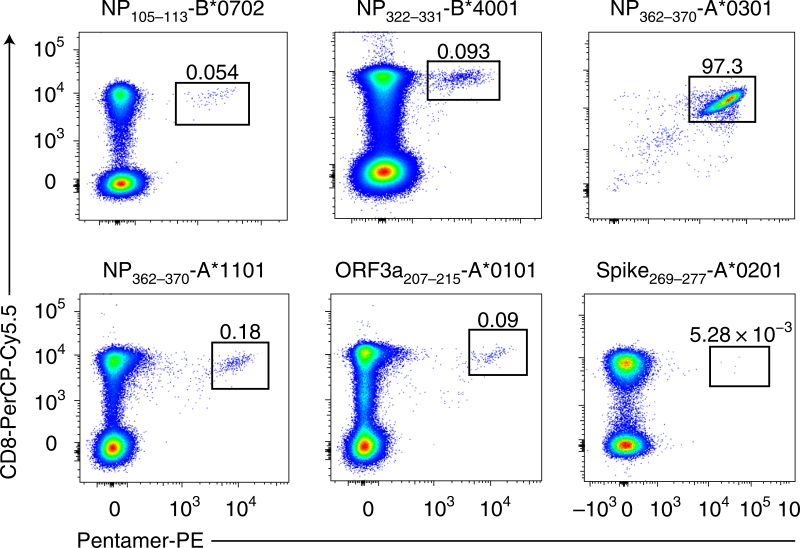 This study by Yanchung Peng, Alex Mentzer, Tao Dong and colleagues reveals that the immune system responds to many different parts of the SARS-CoV-2 virus. This will influence vaccine design, which often focuses only on the most prominent parts of the virus. It also reveals key differences in the way immune cells fight the virus in patients who have mild disease, helping us to better understand how some people are able to fight it off without becoming very sick.
Setting Serology Standards
Setting the standard
ISARIC 4C defined the international reference standard for SARS-CoV-2 serology by providing the first samples to the National Institute for Biological Standards and Control (NIBSC) from COVID-19 cases. These were used to make the WHO International Standard for SARS-CoV-2 serology, which will be used all over the world to compare results from blood tests for COVID-19. 7 of the 11 patients who contributed to the standard were recruited by ISARIC 4C.
Viral spike variants evading antibody-mediated immunity
We showed that the N439K viral mutation has enhanced binding affinity to the ACE2 receptor and that this variant cause infections with similar clinical outcomes compared to the wild type. This mutation is resistant against neutralising monoclonal antibodies and from polyclonal sera from persons recovered from infection. Our findings have highlighted how this virus can mutate and the need for ongoing molecular surveillance to guide development and usage of vaccines and therapeutics.
The ACE2 coronavirus receptor
It has been discovered that the SARS-CoV-2 virus enters human cells via the angiotensin-converting enzyme 2 (ACE2). GenOMICC consortium data on severe COVID-19 cases was used in this study to show specific variations in ACE2. The researchers also showed that elevated ACE2 levels show a causal relationship with COVID-19 severity, hospitalization, and infection. This suggests that blocking ACE2 pharmacologically may be promising in the treatment of COVID-19 or its comorbidities.
Biomarkers of COVID-19 and technologies to combat SARS-CoV-2
The GenOMICC study was acknowledged as an important innovative approach for drug target determination in a review article discussing the ways in which biomarkers and technologies are being utilised in the COVID-19 pandemic.
Impact of ethnicity
We have carefully studied the effect of ethnicity on outcomes in hospitalised patients, revealing the effect of comorbidities in mediating part of the increased susceptibility in some ethic groups.
Adeno-associated virus 2 infection in children with non-A-E hepatitis
An outbreak of acute hepatitis of unknown aetiology in children was first reported in Scotland in April 2022. We carried out a detailed investigation of nine cases and 58 control subjects. Using next-generation sequencing and real-time polymerase chain reaction, our team compared samples and were able to confirm the presence of AAV2 in the plasma and liver of all nine cases. There was no AAV2 in any of the subjects in the control groups, which were made up of: age-matched healthy controls; children with adenovirus but normal liver function; and children admitted to hospital with known causes of hepatitis. AAV2 is not known to normally cause disease and often accompanies infection with adenoviruse, but we have now shown presence of the AAV2 virus associated with unexplained hepatitis in children. Larger studies are urgently needed to investigate the unanswered questions about the role of AAV2 in paediatric hepatitis cases.
Neandertal DNA associated with severe illness with COVID-19
Data from the GenOMICC consortium was used to identify a genetic variation on chromosome 12 which protects against severe disease when infected with SARS-CoV-2. This inherited genetic factor has been shown to originate in Neandertals and has been shown to be found in humans all over the world. Previously, Neandertal DNA alterations have been shown to increase the risk of severe disease in COVID-19 but this protective variation can help in our understanding of the virus and disease.
Rare genetic variants influencing COVID-19 outcomes
The GenOMICC cohort was used to aid in the confirmation of results found in other genome-wide association studies into rare variants which were expected to have the largest impact on COVID-19 outcomes. This study aimed to determine these rare variants to provide additional insights into disease susceptibility and pathogenesis, allowing for the determination of future therapeutic targets. The sharing of data during the pandemic has been key for advancements in the understanding and treatment of COVID-19.
Two key takeaways from a year of pandemic research
An invited foreword in the journal of Critical Care Medicine by Dr David Maslove and Prof Kenneth Baillie discussing the scientific achievements over the first year of the pandemic discusses the importance of the GenOMICC consortium. The ability of the study, which was in place well before the pandemic, to rapidly adapt to the changing situation is acknowledged as well as the open format of the trail, allowing other institutions and countries to get involved readily.
Identification of a novel protective genetic variant against severe COVID-19
Researchers investigated the human protein transmembrane protease serine type 2 (TMPRSS2) in COVID-19 due to the knowledge that it is required to activate the virus’ spike protein and facilitates entry for the virus into target cells. Using the GenOMICC consortium data from critically ill patients, a common variant in this protein was shown to reduce the likelihood of developing severe COVID-19. There are already approved drugs to target TMPRSS2, which are currently used for pancreatitis and esophagitis, which could be used in clinical trials for the treatment of COVID-19.
SARS-CoV-2 surface and air contamination in a healthcare setting
We have explored the mechanisms of viral transmission. Our findings of extensive viral RNA contamination of surfaces and air across a range of acute healthcare settings in the absence of cultured virus highlighted the potential risk from surface and air contamination in managing COVID-19, and the need for effective use of PPE, social distancing, and hand/surface hygiene.
Supporting vaccine development
At the start of the pandemic, ISARIC4C was able to provide convalescent samples of PCR-positive hospitalised patients with COVID-19 to characterise the immunological properties of COVID-19. This was essential to the development of the viral vectored coronavirus vaccine developed by the Oxford COVID Vaccine Trial Group.
ICECAP autopsy study
ISARIC 4C resources and consortium partners supported the COVID-19 post-mortem case series. This is one of several pieces of evidence that changes the model of COVID pathogenesis, supporting a primary role for the host immune system in causing fatal disease.
Adverse outcomes in COVID-19 patients with underlying respiratory conditions
Characterisation of 75 463 hospitalised COVID-19 patients from 258 participating health-care facilities showed that underlying respiratory symptoms is common and patients with asthma were more likely, and those with chronic pulmonary disease less likely, to receive critical care than patients without an underlying respiratory condition.
Co-Infections, Secondary Infections, and Antimicrobial Usage
We investigated the frequency and microbiological details of bacterial co-infection and secondary infection, in addition to antimicrobial usage in 48,902 patients hsopitalised with COVID-19 during the first pandemic wave. We found that Covid-19 related respiratory or bloodstream bacterial infection was rare (n=1,107); the majority (71%) were secondary infection, acquired >48 hours after admission. However, antimicrobial use is high with 37% prescribed pre-hospital antimicrobials, while 85% received one or more antimicrobials during their hospital stay.
Based on our data, we recommend a range of existing antimicrobial stewardship interventions that should be prioritised for incorporation into COVID-19 patient care to mitigate worsening of antimicrobial resistance. As well as restricting prescribing without a confirmed diagnosis, these include tailoring the choice of antimicrobials (when required) to likely pathogens and local resistance patterns, and encouraging clinicians to discontinue antimicrobials if co-infection is deemed unlikely and tests confirm that patients do not have a bacterial infection.
COVID-19 and Cancer
The ISARIC4C investigators collaborated with Prof Carlo Palmieri and team to characterise the first 1,797 hospitalised patients with cancer and COVID-19. From here a new study was launched to assess the impact of COVID-19 on people with cancer: The Clinical Characterisation Protocol (CCP) CANCER-UK. The project will run over 12 months and will examine questions that are important for the care of patients with cancer. With almost 7,000 patients with both confirmed cancer and COVID-19 diagnoses already enrolled, it will be one of the largest and most detailed studies in the world. The study has received funding from UK Research and Innovation (UKRI) and the National Institute for Health Research (NIHR), with additional funding from The Clatterbridge Cancer Charity.
Detection of antibodies to determine population exposure
ISARIC4C provided support to this study looking at population exposure in the beginning of the outbreak showing that it is likely that SARS-CoV-2 began circulating in Scotland in late February 2020 and potentially earlier.
Developing methods of sequencing the virus
Sequencing the viral genome as the outbreak progresses is important, particularly the identification of new variants and to identify whether any changes in the genome will impair clinical testing. Using the MinION/GridIONS platform, we developed a sensitive protocol to rapidly sequence the viral genome. With this study, we showed that amplicon-based detection and subsequent sequencing are feasible for identifying the SARS-CoV-2 genome or nucleic acid in samples from patients with COVID-19.
Vulnerability of Down's syndrome (DS) patients to severe COVID-19
Providing data and support to the Trisomy 21 Society, a study was conducted to determine if health conditions, immune dysfunction, and premature aging associated with trisomy 21 (Down syndrome, DS) may impact the clinical course of COVID-19. Whilst signs/symptoms of COVID-19 and risk factors for severe disease course are similar to the general population, individuals with DS present significantly higher rates of medical complications and mortality, especially from age 40.
ISARIC4C within the global ISARIC-network
An alternate weekly data share is made with global ISARIC CCP partners in 42 countries and a summary report is posted on medRxiv, the global health network (TGHN.org) and WHO. CO-CIN has contributed 82% of global data reported.
Selected publications include:
-
COVID-19 symptoms at hospital admission vary with age and sex: ISARIC multinational study https://doi.org/10.1101/2020.10.26.20219519
-
[ISARIC Global Clinical Data Report(https://doi.org/10.1101/2020.07.17.20155218)
Modelling the association of tiered restrictions with COVID-19 deaths and hospital admissions
To look at the impact of tiered restrictions, the team fitted a mathematical model of transmission to data on hospital admissions. Results showed that lockdown measures outperformed less stringent restrictions in reducing cumulative deaths.
Multi-model forecasts to inform the response to COVID-19 in the UK
Groups of multi-model forecasts can inform the policy response to the Covid-19 pandemic by assessing future resource needs and expected population impact of morbidity and mortality.
Testing the tests
We proposed and established a Diagnostic Evaluation Platform at the University of Oxford (led by Dr Alex Mentzer) which is already being used to provide evidence to the UK government about the performance of new diagnostic and antibody tests. This work is essential because if tests work well they can save lives; if they don’t, they can cause enormous damage.
New immune biomarkers for COVID-19
This study looked at a specific immune process in the body, known as the complement system. This mechanism allows microbes and damaged cells to be removed from the body, attacks pathogens, and promotes inflammation. This system is more active in patients with COVID-19 and blocking the system has been considered as a potential treatment. Blood samples from 682 hospitalised patients, including those from the ISARIC4C study, were compared to healthy individuals and multiple components of the complement system were shown to be altered. The levels of some of these markers, known as Ba, iC3b, and properdin, were shown to be associated with disease severity and death. Identifying these new biomarkers helps us to understand how the body responds to COVID-19 and allows new targets for treatment strategies.
Outcomes of COVID-19 hospitalisation among patients with HIV
Providing data and support to the British HIV Association, presentation characteristics and outcomes of adults with and without HIV who were hospitalized with COVID-19 at 207 centers across the UK, were compared. HIV-positive status was associated with an increased risk of day-28 mortality among patients hospitalised for COVID-19.
Outcomes of hospitalised COVID-19 patients with interstitial lung disease
We completed an international multicentre audit of patients with prior diagnosis of Interstitial Lung Diseases (ILD) admitted to hospital with COVID-19. We showed that these patients are at increased risk of death, particularly those with poor lung function and obesity. Data from this study showed that patients with ILD should follow self-isolation guidelines for vulnerable individuals and be prioritised for vaccinations.
Pulmonary Microthrombosis and Vasculitis in Life-Threatening Respiratory Virus Diseases
This study, with support and resources provided by ISARIC4C, found evidence of thrombosis present in adults with fatal influenza and SARS, with vasculitis also reported.
Symptom clusters
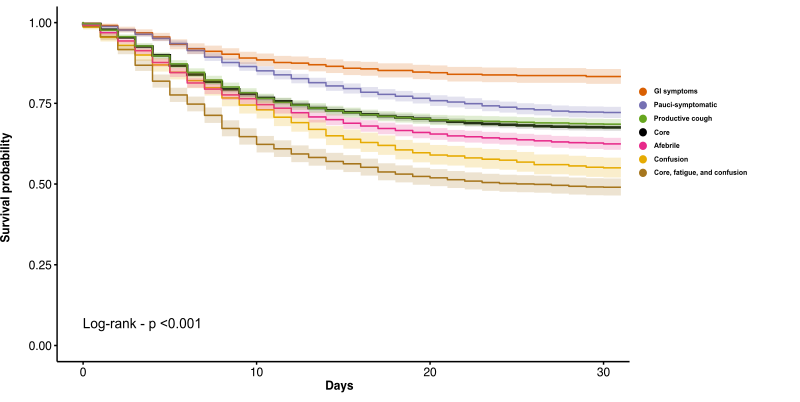 Because of the large scale of the ISARIC-4C study, we were able to detect robust groupings of patients with different patterns of symptoms. We found four patterns that are strikingly differnet from the core symptom groups: gastro-intestinal disease, productive cough, confusion, and pauci-symptomatic presentations. Each of these has a different clinical course and a different chance of death.
These observations deepen our understanding of COVID-19 and will influence clinical diagnosis, risk prediction, and future mechanistic and clinical studies.
Because of the large scale of the ISARIC-4C study, we were able to detect robust groupings of patients with different patterns of symptoms. We found four patterns that are strikingly differnet from the core symptom groups: gastro-intestinal disease, productive cough, confusion, and pauci-symptomatic presentations. Each of these has a different clinical course and a different chance of death.
These observations deepen our understanding of COVID-19 and will influence clinical diagnosis, risk prediction, and future mechanistic and clinical studies.
Nuclear magnetic resonance signals in urine
Normalization to account for variation in urinary dilution is crucial for interpretation of urine metabolic profiles. Probabilistic quotient normalization (PQN) is used routinely in metabolomics but is sensitive to systematic variation shared across a large proportion of the spectral profile (>50%). Where 1H nuclear magnetic resonance (NMR) spectroscopy is employed, the presence of urinary protein can elevate the spectral baseline and substantially impact the resulting profile. Using 1H NMR profile measurements of spot urine samples collected from hospitalized COVID-19 patients in the ISARIC 4C study, we determined that PQN coefficients are significantly correlated with observed protein levels (r2 = 0.423, p < 2.2 × 10⁻¹⁶). This correlation was significantly reduced (r2 = 0.163, p < 2.2 × 10⁻¹⁶) when using a computational method for suppression of macromolecular signals known as small molecule enhancement spectroscopy (SMolESY) for proteinic baseline removal prior to PQN. These results highlight proteinuria as a common yet overlooked source of bias in 1H NMR metabolic profiling studies which can be effectively mitigated using SMolESY or other macromolecular signal suppression methods before estimation of normalization coefficients.
Using imaging in COVID-19 -- UK National COVID-19 Chest Imaging Database
The National COVID-19 Chest Imaging Database (NCCID) is a repository of chest radiographs, CT and MRI images and clinical data from COVID-19 patients across the UK, to support research and development of AI technology and give insight into COVID-19 disease. To maximise efficient resource utilisation in busy hospitals during the course of the pandemic, NCCID are linking imaging data to the ISARIC4C dataset, and aim to link to the Intensive Care National Audit and Research Centre (ICNARC). ISARIC investigators are collating clinical information and biological samples for COVID-19 cases of all ages admitted to hospitals, while ICNARC collates detailed data from adults in the intensive care setting. The study has also been supported by Health Data Research UK as part of its UK response to COVID-19.
Viral RNA found in blood is not infectious
Laboratory diagnosis of SARS-CoV-2 infection uses PCR to detect viral RNA (vRNA) in respiratory samples. While SARS-CoV-2 RNA has been detected in other sample types, there is very little understanding about its clinical or laboratory significance. This has implications for testing and for safe working in a laboratory setting. To answer this, we undertook a systematic review for evidence of viral RNA in blood. We also attempted viral isolation from PCR-positive blood samples. Viral RNA was detectable at very low levels, but this was not associated with infectious SARS-CoV-2. This work will help to inform biosafety precautions for handling blood from COVID-19 patients.
Acute kidney injury in patients hospitalized with COVID-19 from the ISARIC WHO CCP-UK Study: a prospective, multicentre cohort study.
Acute kidney injury (AKI) is common in coronavirus disease 2019 (COVID-19). This study investigated adults hospitalized with COVID-19 and hypothesized that risk factors for AKI would include comorbidities and non-White race.
Admission Blood Glucose Level and Its Association With Cardiovascular and Renal Complications in Patients Hospitalized With COVID-19.
To investigate the association between admission blood glucose levels and risk of in-hospital cardiovascular and renal complications.
Fatal COVID-19 outcomes are associated with an antibody response targeting epitopes shared with endemic coronaviruses.
The role of immune responses to previously seen endemic coronavirus epitopes in severe acute respiratory coronavirus 2 (SARS-CoV-2) infection and disease progression has not yet been determined. Here, we show that a key characteristic of fatal outcomes with coronavirus disease 2019 (COVID-19) is that the immune response to the SARS-CoV-2 spike protein is enriched for antibodies directed against epitopes shared with endemic beta-coronaviruses and has a lower proportion of antibodies targeting the more protective variable regions of the spike. The magnitude of antibody responses to the SARS-CoV-2 full-length spike protein, its domains and subunits, and the SARS-CoV-2 nucleocapsid also correlated strongly with responses to the endemic beta-coronavirus spike proteins in individuals admitted to an intensive care unit (ICU) with fatal COVID-19 outcomes, but not in individuals with nonfatal outcomes. This correlation was found to be due to the antibody response directed at the S2 subunit of the SARS-CoV-2 spike protein, which has the highest degree of conservation between the beta-coronavirus spike proteins. Intriguingly, antibody responses to the less cross-reactive SARS-CoV-2 nucleocapsid were not significantly different in individuals who were admitted to an ICU with fatal and nonfatal outcomes, suggesting an antibody profile in individuals with fatal outcomes consistent with an “original antigenic sin” type response.
Importance of patient bed pathways and length of stay differences in predicting COVID-19 hospital bed occupancy in England.
Predicting bed occupancy for hospitalised patients with COVID-19 requires understanding of length of stay (LoS) in particular bed types. LoS can vary depending on the patient’s “bed pathway” - the sequence of transfers of individual patients between bed types during a hospital stay. In this study, we characterise these pathways, and their impact on predicted hospital bed occupancy.
Impact of cardiometabolic multimorbidity and ethnicity on cardiovascular/renal complications in patients with COVID-19.
Using a large national database of people hospitalised with COVID-19, we investigated the contribution of cardio-metabolic conditions, multi-morbidity and ethnicity on the risk of in-hospital cardiovascular complications and death.
A catalog of associations between rare coding variants and COVID-19 outcomes.
Severe acute respiratory syndrome coronavirus-2 (SARS-CoV-2) causes coronavirus disease-19 (COVID-19), a respiratory illness that can result in hospitalization or death. We investigated associations between rare genetic variants and seven COVID-19 outcomes in 543,213 individuals, including 8,248 with COVID-19. After accounting for multiple testing, we did not identify any clear associations with rare variants either exome-wide or when specifically focusing on (i) 14 interferon pathway genes in which rare deleterious variants have been reported in severe COVID-19 patients; (ii) 167 genes located in COVID-19 GWAS risk loci; or (iii) 32 additional genes of immunologic relevance and/or therapeutic potential. Our analyses indicate there are no significant associations with rare protein-coding variants with detectable effect sizes at our current sample sizes. Analyses will be updated as additional data become available, with results publicly browsable at https://rgc-covid19.regeneron.com .
Changes in in-hospital mortality in the first wave of COVID-19: a multicentre prospective observational cohort study using the WHO Clinical Characterisation Protocol UK.
Mortality rates in hospitalised patients with COVID-19 in the UK appeared to decline during the first wave of the pandemic. We aimed to quantify potential drivers of this change and identify groups of patients who remain at high risk of dying in hospital.
Clinical features and prognostic factors in Covid-19: A prospective cohort study.
Mortality rates are high among hospitalized patients with COVID-19, especially in those intubated on the ICU. Insight in pathways associated with unfavourable outcome may lead to new treatment strategies.
Clinical characteristics with inflammation profiling of long COVID and association with 1-year recovery following hospitalisation in the UK: a prospective observational study.
No effective pharmacological or non-pharmacological interventions exist for patients with long COVID. We aimed to describe recovery 1 year after hospital discharge for COVID-19, identify factors associated with patient-perceived recovery, and identify potential therapeutic targets by describing the underlying inflammatory profiles of the previously described recovery clusters at 5 months after hospital discharge.
Clonal hematopoiesis is not significantly associated with COVID-19 disease severity.
A Hybrid Architecture (CO-CONNECT) to Facilitate Rapid Discovery and Access to Data Across the United Kingdom in Response to the COVID-19 Pandemic: Development Study.
COVID-19 data have been generated across the United Kingdom as a by-product of clinical care and public health provision, as well as numerous bespoke and repurposed research endeavors. Analysis of these data has underpinned the United Kingdom’s response to the pandemic, and informed public health policies and clinical guidelines. However, these data are held by different organizations, and this fragmented landscape has presented challenges for public health agencies and researchers as they struggle to find relevant data to access and interrogate the data they need to inform the pandemic response at pace.
COVID-19 symptoms at hospital admission vary with age and sex: results from the ISARIC prospective multinational observational study.
The ISARIC prospective multinational observational study is the largest cohort of hospitalized patients with COVID-19. We present relationships of age, sex, and nationality to presenting symptoms.
Cycle threshold values are inversely associated with poorer outcomes in hospitalized patients with COVID-19: a prospective, observational cohort study conducted at a UK tertiary hospital.
This single-centre observational study demonstrated that lower cycle threshold (Ct) values (indicating higher viral loads) on admission to hospital were associated with poorer outcomes in unvaccinated, hospitalized patients with coronavirus disease 2019 (COVID-19). Demographic and outcome data were collected prospectively for all adult patients who tested positive for severe acute respiratory syndrome coronavirus-2 on admission to the University Hospitals North Midlands NHS Trust between 1 February and 1 July 2020. Nasopharyngeal swab samples were obtained, and a valid Ct value was determined for all patients using the Viasure reverse transcription polymerase chain reaction assay, validated by Public Health England, on admission to hospital. Multi-variable logistic regression results based on data from 618 individuals demonstrated a significant inverse relationship between the odds of death and Ct values (adjusted odds ratio 0.95, 95% confidence interval 0.92-0.98, P=0.001). The association remained highly significant after adjusting for known clinical risk factors for COVID-19.
A delicate balance between antibody evasion and ACE2 affinity for Omicron BA.2.75.
Variants of severe acute respiratory syndrome coronavirus 2 (SARS-CoV-2) have caused successive global waves of infection. These variants, with multiple mutations in the spike protein, are thought to facilitate escape from natural and vaccine-induced immunity and often increase in affinity for ACE2. The latest variant to cause concern is BA.2.75, identified in India where it is now the dominant strain, with evidence of wider dissemination. BA.2.75 is derived from BA.2 and contains four additional mutations in the receptor-binding domain (RBD). Here, we perform an antigenic and biophysical characterization of BA.2.75, revealing an interesting balance between humoral evasion and ACE2 receptor affinity. ACE2 affinity for BA.2.75 is increased 9-fold compared with BA.2; there is also evidence of escape of BA.2.75 from immune serum, particularly that induced by Delta infection, which may explain the rapid spread in India, where where there is a high background of Delta infection. ACE2 affinity appears to be prioritized over greater escape.
Development and validation of the ISARIC 4C Deterioration model for adults hospitalised with COVID-19: a prospective cohort study.
Prognostic models to predict the risk of clinical deterioration in acute COVID-19 cases are urgently required to inform clinical management decisions.
Implementation of corticosteroids in treatment of COVID-19 in the ISARIC WHO Clinical Characterisation Protocol UK: prospective, cohort study.
Dexamethasone was the first intervention proven to reduce mortality in patients with COVID-19 being treated in hospital. We aimed to evaluate the adoption of corticosteroids in the treatment of COVID-19 in the UK after the RECOVERY trial publication on June 16, 2020, and to identify discrepancies in care.
Using trained dogs and organic semi-conducting sensors to identify asymptomatic and mild SARS-CoV-2 infections: an observational study.
A rapid, accurate, non-invasive diagnostic screen is needed to identify people with SARS-CoV-2 infection. We investigated whether organic semi-conducting (OSC) sensors and trained dogs could distinguish between people infected with asymptomatic or mild symptoms, and uninfected individuals, and the impact of screening at ports-of-entry.
The COVID-19 pandemic and global environmental change: Emerging research needs.
The outbreak of COVID-19 raised numerous questions on the interactions between the occurrence of new infections, the environment, climate and health. The European Union requested the H2020 HERA project which aims at setting priorities in research on environment, climate and health, to identify relevant research needs regarding Covid-19. The emergence and spread of SARS-CoV-2 appears to be related to urbanization, habitat destruction, live animal trade, intensive livestock farming and global travel. The contribution of climate and air pollution requires additional studies. Importantly, the severity of COVID-19 depends on the interactions between the viral infection, ageing and chronic diseases such as metabolic, respiratory and cardiovascular diseases and obesity which are themselves influenced by environmental stressors. The mechanisms of these interactions deserve additional scrutiny. Both the pandemic and the social response to the disease have elicited an array of behavioural and societal changes that may remain long after the pandemic and that may have long term health effects including on mental health. Recovery plans are currently being discussed or implemented and the environmental and health impacts of those plans are not clearly foreseen. Clearly, COVID-19 will have a long-lasting impact on the environmental health field and will open new research perspectives and policy needs.
Multi-ancestry fine mapping implicates OAS1 splicing in risk of severe COVID-19.
The OAS1/2/3 cluster has been identified as a risk locus for severe COVID-19 among individuals of European ancestry, with a protective haplotype of approximately 75 kilobases (kb) derived from Neanderthals in the chromosomal region 12q24.13. This haplotype contains a splice variant of OAS1, which occurs in people of African ancestry independently of gene flow from Neanderthals. Using trans-ancestry fine-mapping approaches in 20,779 hospitalized cases, we demonstrate that this splice variant is likely to be the SNP responsible for the association at this locus, thus strongly implicating OAS1 as an effector gene influencing COVID-19 severity.
Fitting to the UK COVID-19 outbreak, short-term forecasts and estimating the reproductive number.
The COVID-19 pandemic has brought to the fore the need for policy makers to receive timely and ongoing scientific guidance in response to this recently emerged human infectious disease. Fitting mathematical models of infectious disease transmission to the available epidemiological data provide a key statistical tool for understanding the many quantities of interest that are not explicit in the underlying epidemiological data streams. Of these, the effective reproduction number, [Formula: see text], has taken on special significance in terms of the general understanding of whether the epidemic is under control ([Formula: see text]). Unfortunately, none of the epidemiological data streams are designed for modelling, hence assimilating information from multiple (often changing) sources of data is a major challenge that is particularly stark in novel disease outbreaks. Here, focusing on the dynamics of the first wave (March-June 2020), we present in some detail the inference scheme employed for calibrating the Warwick COVID-19 model to the available public health data streams, which span hospitalisations, critical care occupancy, mortality and serological testing. We then perform computational simulations, making use of the acquired parameter posterior distributions, to assess how the accuracy of short-term predictions varied over the time course of the outbreak. To conclude, we compare how refinements to data streams and model structure impact estimates of epidemiological measures, including the estimated growth rate and daily incidence.
Common, low-frequency, rare, and ultra-rare coding variants contribute to COVID-19 severity.
The combined impact of common and rare exonic variants in COVID-19 host genetics is currently insufficiently understood. Here, common and rare variants from whole-exome sequencing data of about 4000 SARS-CoV-2-positive individuals were used to define an interpretable machine-learning model for predicting COVID-19 severity. First, variants were converted into separate sets of Boolean features, depending on the absence or the presence of variants in each gene. An ensemble of LASSO logistic regression models was used to identify the most informative Boolean features with respect to the genetic bases of severity. The Boolean features selected by these logistic models were combined into an Integrated PolyGenic Score that offers a synthetic and interpretable index for describing the contribution of host genetics in COVID-19 severity, as demonstrated through testing in several independent cohorts. Selected features belong to ultra-rare, rare, low-frequency, and common variants, including those in linkage disequilibrium with known GWAS loci. Noteworthily, around one quarter of the selected genes are sex-specific. Pathway analysis of the selected genes associated with COVID-19 severity reflected the multi-organ nature of the disease. The proposed model might provide useful information for developing diagnostics and therapeutics, while also being able to guide bedside disease management.
A haemagglutination test for rapid detection of antibodies to SARS-CoV-2.
Serological detection of antibodies to SARS-CoV-2 is essential for establishing rates of seroconversion in populations, and for seeking evidence for a level of antibody that may be protective against COVID-19 disease. Several high-performance commercial tests have been described, but these require centralised laboratory facilities that are comparatively expensive, and therefore not available universally. Red cell agglutination tests do not require special equipment, are read by eye, have short development times, low cost and can be applied at the Point of Care. Here we describe a quantitative Haemagglutination test (HAT) for the detection of antibodies to the receptor binding domain of the SARS-CoV-2 spike protein. The HAT has a sensitivity of 90% and specificity of 99% for detection of antibodies after a PCR diagnosed infection. We will supply aliquots of the test reagent sufficient for ten thousand test wells free of charge to qualified research groups anywhere in the world.
Hospital-acquired SARS-CoV-2 infection in the UK's first COVID-19 pandemic wave.
In data presented to SAGE early in 2020, but published here a year later, we were the first to show the impact of in-hospital acquisition of SARS-CoV2, leading to nationwide change in practice.
Hospital admission for symptomatic COVID-19 and impact of vaccination: analysis of linked data from the Coronavirus Clinical Information Network and the National Immunisation Management Service.
We characterise the hospitalised vaccinated population and identify the effect of the relationship between vaccination status and immunocompetence on hospital mortality using the prospective observational cohort recruited from the ISARIC4C Tier Zero study.
Safety, tolerability and viral kinetics during SARS-CoV-2 human challenge in young adults.
Since its emergence in 2019, severe acute respiratory syndrome coronavirus 2 (SARS-CoV-2) has caused hundreds of millions of cases and continues to circulate globally. To establish a novel SARS-CoV-2 human challenge model that enables controlled investigation of pathogenesis, correlates of protection and efficacy testing of forthcoming interventions, 36 volunteers aged 18-29 years without evidence of previous infection or vaccination were inoculated with 10 TCID
The impact of viral mutations on recognition by SARS-CoV-2 specific T cells.
We identify amino acid variants within dominant SARS-CoV-2 T cell epitopes by interrogating global sequence data. Several variants within nucleocapsid and ORF3a epitopes have arisen independently in multiple lineages and result in loss of recognition by epitope-specific T cells assessed by IFN-γ and cytotoxic killing assays. Complete loss of T cell responsiveness was seen due to Q213K in the A∗01:01-restricted CD8+ ORF3a epitope FTSDYYQLY
An international observational study to assess the impact of the Omicron variant emergence on the clinical epidemiology of COVID-19 in hospitalised patients.
Whilst timely clinical characterisation of infections caused by novel SARS-CoV-2 variants is necessary for evidence-based policy response, individual-level data on infecting variants are typically only available for a minority of patients and settings.
Estimating distribution of length of stay in a multi-state model conditional on the pathway, with an application to patients hospitalised with Covid-19.
Multi-state models are used to describe how individuals transition through different states over time. The distribution of the time spent in different states, referred to as ‘length of stay’, is often of interest. Methods for estimating expected length of stay in a given state are well established. The focus of this paper is on the distribution of the time spent in different states conditional on the complete pathway taken through the states, which we call ‘conditional length of stay’. This work is motivated by questions about length of stay in hospital wards and intensive care units among patients hospitalised due to Covid-19. Conditional length of stay estimates are useful as a way of summarising individuals’ transitions through the multi-state model, and also as inputs to mathematical models used in planning hospital capacity requirements. We describe non-parametric methods for estimating conditional length of stay distributions in a multi-state model in the presence of censoring, including conditional expected length of stay (CELOS). Methods are described for an illness-death model and then for the more complex motivating example. The methods are assessed using a simulation study and shown to give unbiased estimates of CELOS, whereas naive estimates of CELOS based on empirical averages are biased in the presence of censoring. The methods are applied to estimate conditional length of stay distributions for individuals hospitalised due to Covid-19 in the UK, using data on 42,980 individuals hospitalised from March to July 2020 from the COVID19 Clinical Information Network.
Long Covid in adults discharged from UK hospitals after Covid-19: A prospective, multicentre cohort study using the ISARIC WHO Clinical Characterisation Protocol.
This study sought to establish the long-term effects of Covid-19 following hospitalisation.
Mendelian randomisation identifies alternative splicing of the FAS death receptor as a mediator of severe COVID-19.
Severe COVID-19 is characterised by immunopathology and epithelial injury. Proteomic studies have identified circulating proteins that are biomarkers of severe COVID-19, but cannot distinguish correlation from causation. To address this, we performed Mendelian randomisation (MR) to identify proteins that mediate severe COVID-19. Using protein quantitative trait loci (pQTL) data from the SCALLOP consortium, involving meta-analysis of up to 26,494 individuals, and COVID-19 genome-wide association data from the Host Genetics Initiative, we performed MR for 157 COVID-19 severity protein biomarkers. We identified significant MR results for five proteins: FAS, TNFRSF10A, CCL2, EPHB4 and LGALS9. Further evaluation of these candidates using sensitivity analyses and colocalization testing provided strong evidence to implicate the apoptosis-associated cytokine receptor FAS as a causal mediator of severe COVID-19. This effect was specific to severe disease. Using RNA-seq data from 4,778 individuals, we demonstrate that the pQTL at the
SARS-CoV-2-specific nasal IgA wanes 9 months after hospitalisation with COVID-19 and is not induced by subsequent vaccination.
Most studies of immunity to SARS-CoV-2 focus on circulating antibody, giving limited insights into mucosal defences that prevent viral replication and onward transmission. We studied nasal and plasma antibody responses one year after hospitalisation for COVID-19, including a period when SARS-CoV-2 vaccination was introduced.
Analysis of SARS-CoV-2 in Nasopharyngeal Samples from Patients with COVID-19 Illustrates Population Variation and Diverse Phenotypes, Placing the Growth Properties of Variants of Concern in Context with Other Lineages.
New variants of SARS-CoV-2 are continuing to emerge and dominate the global sequence landscapes. Several variants have been labeled variants of concern (VOCs) because they may have a transmission advantage, increased risk of morbidity and/or mortality, or immune evasion upon a background of prior infection or vaccination. Placing the VOCs in context with the underlying variability of SARS-CoV-2 is essential in understanding virus evolution and selection pressures. Dominant genome sequences and the population genetics of SARS-CoV-2 in nasopharyngeal swabs from hospitalized patients were characterized. Nonsynonymous changes at a minor variant level were identified. These populations were generally preserved when isolates were amplified in cell culture. To place the Alpha, Beta, Delta, and Omicron VOCs in context, their growth was compared to clinical isolates of different lineages from earlier in the pandemic. The data indicated that the growth in cell culture of the Beta variant was more than that of the other variants in Vero E6 cells but not in hACE2-A549 cells. Looking at each time point, Beta grew more than the other VOCs in hACE2-A549 cells at 24 to 48 h postinfection. At 72 h postinfection there was no difference in the growth of any of the variants in either cell line. Overall, this work suggested that exploring the biology of SARS-CoV-2 is complicated by population dynamics and that these need to be considered with new variants. In the context of variation seen in other coronaviruses, the variants currently observed for SARS-CoV-2 are very similar in terms of their clinical spectrum of disease.
Towards nationally curated data archives for clinical radiology image analysis at scale: Learnings from national data collection in response to a pandemic.
The prevalence of the coronavirus SARS-CoV-2 disease has resulted in the unprecedented collection of health data to support research. Historically, coordinating the collation of such datasets on a national scale has been challenging to execute for several reasons, including issues with data privacy, the lack of data reporting standards, interoperable technologies, and distribution methods. The coronavirus SARS-CoV-2 disease pandemic has highlighted the importance of collaboration between government bodies, healthcare institutions, academic researchers and commercial companies in overcoming these issues during times of urgency. The National COVID-19 Chest Imaging Database, led by NHSX, British Society of Thoracic Imaging, Royal Surrey NHS Foundation Trust and Faculty, is an example of such a national initiative. Here, we summarise the experiences and challenges of setting up the National COVID-19 Chest Imaging Database, and the implications for future ambitions of national data curation in medical imaging to advance the safe adoption of artificial intelligence in healthcare.
Endomembrane targeting of human OAS1 p46 augments antiviral activity.
Many host RNA sensors are positioned in the cytosol to detect viral RNA during infection. However, most positive-strand RNA viruses replicate within a modified organelle co-opted from intracellular membranes of the endomembrane system, which shields viral products from cellular innate immune sensors. Targeting innate RNA sensors to the endomembrane system may enhance their ability to sense RNA generated by viruses that use these compartments for replication. Here, we reveal that an isoform of oligoadenylate synthetase 1, OAS1 p46, is prenylated and targeted to the endomembrane system. Membrane localization of OAS1 p46 confers enhanced access to viral replication sites and results in increased antiviral activity against a subset of RNA viruses including flaviviruses, picornaviruses, and SARS-CoV-2. Finally, our human genetic analysis shows that the
Obesity, Ethnicity, and Risk of Critical Care, Mechanical Ventilation, and Mortality in Patients Admitted to Hospital with COVID-19: Analysis of the ISARIC CCP-UK Cohort.
The aim of this study was to investigate the association of obesity with in-hospital coronavirus disease 2019 (COVID-19) outcomes in different ethnic groups.
Obesity, chronic disease, age, and in-hospital mortality in patients with covid-19: analysis of ISARIC clinical characterisation protocol UK cohort.
Although age, obesity and pre-existing chronic diseases are established risk factors for COVID-19 outcomes, their interactions have not been well researched.
Omicron-B.1.1.529 leads to widespread escape from neutralizing antibody responses.
We demonstrated a change in the susceptibility of SARS-CoV-2 to protective antibodies.
SARS-CoV-2 Omicron-B.1.1.529 leads to widespread escape from neutralizing antibody responses.
We showed that the omicron variant escaped from pre-existing antibody-mediated immunity.
Potent cross-reactive antibodies following Omicron breakthrough in vaccinees.
Highly transmissible Omicron variants of SARS-CoV-2 currently dominate globally. Here, we compare neutralization of Omicron BA.1, BA.1.1, and BA.2. BA.2 RBD has slightly higher ACE2 affinity than BA.1 and slightly reduced neutralization by vaccine serum, possibly associated with its increased transmissibility. Neutralization differences between sub-lineages for mAbs (including therapeutics) mostly arise from variation in residues bordering the ACE2 binding site; however, more distant mutations S371F (BA.2) and R346K (BA.1.1) markedly reduce neutralization by therapeutic antibody Vir-S309. In-depth structure-and-function analyses of 27 potent RBD-binding mAbs isolated from vaccinated volunteers following breakthrough Omicron-BA.1 infection reveals that they are focused in two main clusters within the RBD, with potent right-shoulder antibodies showing increased prevalence. Selection and somatic maturation have optimized antibody potency in less-mutated epitopes and recovered potency in highly mutated epitopes. All 27 mAbs potently neutralize early pandemic strains, and many show broad reactivity with variants of concern.
Outcome of COVID-19 in hospitalised immunocompromised patients: An analysis of the WHO ISARIC CCP-UK prospective cohort study.
Immunocompromised patients may be at higher risk of mortality if hospitalised with Coronavirus Disease 2019 (COVID-19) compared with immunocompetent patients. However, previous studies have been contradictory. We aimed to determine whether immunocompromised patients were at greater risk of in-hospital death and how this risk changed over the pandemic.
Pan-ancestry exome-wide association analyses of COVID-19 outcomes in 586,157 individuals.
Severe acute respiratory syndrome coronavirus-2 (SARS-CoV-2) causes coronavirus disease 2019 (COVID-19), a respiratory illness that can result in hospitalization or death. We used exome sequence data to investigate associations between rare genetic variants and seven COVID-19 outcomes in 586,157 individuals, including 20,952 with COVID-19. After accounting for multiple testing, we did not identify any clear associations with rare variants either exome wide or when specifically focusing on (1) 13 interferon pathway genes in which rare deleterious variants have been reported in individuals with severe COVID-19, (2) 281 genes located in susceptibility loci identified by the COVID-19 Host Genetics Initiative, or (3) 32 additional genes of immunologic relevance and/or therapeutic potential. Our analyses indicate there are no significant associations with rare protein-coding variants with detectable effect sizes at our current sample sizes. Analyses will be updated as additional data become available, and results are publicly available through the Regeneron Genetics Center COVID-19 Results Browser.
Pandemic, Epidemic, Endemic: B Cell Repertoire Analysis Reveals Unique Anti-Viral Responses to SARS-CoV-2, Ebola and Respiratory Syncytial Virus.
Immunoglobulin gene heterogeneity reflects the diversity and focus of the humoral immune response towards different infections, enabling inference of B cell development processes. Detailed compositional and lineage analysis of long read IGH repertoire sequencing, combining examples of pandemic, epidemic and endemic viral infections with control and vaccination samples, demonstrates general responses including increased use of
Residual Lung Abnormalities Following COVID-19 Hospitalization: Interim Analysis of the UKILD Post-COVID Study.
Shared symptoms and genetic architecture between COVID-19 and lung fibrosis suggests SARS-CoV-2 infection may lead to progressive lung damage.
Understanding the burden of interstitial lung disease post-COVID-19: the UK Interstitial Lung Disease-Long COVID Study (UKILD-Long COVID).
The COVID-19 pandemic has led to over 100 million cases worldwide. The UK has had over 4 million cases, 400 000 hospital admissions and 100 000 deaths. Many patients with COVID-19 suffer long-term symptoms, predominantly breathlessness and fatigue whether hospitalised or not. Early data suggest potentially severe long-term consequence of COVID-19 is development of long COVID-19-related interstitial lung disease (LC-ILD).
Physical, cognitive, and mental health impacts of COVID-19 after hospitalisation (PHOSP-COVID): a UK multicentre, prospective cohort study.
The impact of COVID-19 on physical and mental health and employment after hospitalisation with acute disease is not well understood. The aim of this study was to determine the effects of COVID-19-related hospitalisation on health and employment, to identify factors associated with recovery, and to describe recovery phenotypes.
COVID-19 pneumothorax in the UK: a prospective observational study using the ISARIC WHO clinical characterisation protocol.
This study examined the incidence and clinical features of pneuomothorax in patients with Covid-19.
Pregnancy and neonatal outcomes of COVID-19: coreporting of common outcomes from PAN-COVID and AAP-SONPM registries.
Few large cohort studies have reported data on maternal, fetal, perinatal and neonatal outcomes associated with severe acute respiratory syndrome coronavirus 2 (SARS-CoV-2) infection in pregnancy. We report the outcome of infected pregnancies from a collaboration formed early during the pandemic between the investigators of two registries, the UK and Global Pregnancy and Neonatal outcomes in COVID-19 (PAN-COVID) study and the American Academy of Pediatrics (AAP) Section on Neonatal-Perinatal Medicine (SONPM) National Perinatal COVID-19 Registry.
Pregnancy and neonatal outcomes of COVID-19: The PAN-COVID study.
To assess perinatal outcomes for pregnancies affected by suspected or confirmed SARS-CoV-2 infection.
A prenylated dsRNA sensor protects against severe COVID-19.
Inherited genetic factors can influence the severity of COVID-19, but the molecular explanation underpinning a genetic association is often unclear. Intracellular antiviral defenses can inhibit the replication of viruses and reduce disease severity. To better understand the antiviral defenses relevant to COVID-19, we used interferon-stimulated gene (ISG) expression screening to reveal that 2′-5′-oligoadenylate synthetase 1 (OAS1), through ribonuclease L, potently inhibits severe acute respiratory syndrome coronavirus 2 (SARS-CoV-2). We show that a common splice-acceptor single-nucleotide polymorphism (Rs10774671) governs whether patients express prenylated OAS1 isoforms that are membrane-associated and sense-specific regions of SARS-CoV-2 RNAs or if they only express cytosolic, nonprenylated OAS1 that does not efficiently detect SARS-CoV-2. In hospitalized patients, expression of prenylated OAS1 was associated with protection from severe COVID-19, suggesting that this antiviral defense is a major component of a protective antiviral response.
Procalcitonin Is Not a Reliable Biomarker of Bacterial Coinfection in People With Coronavirus Disease 2019 Undergoing Microbiological Investigation at the Time of Hospital Admission.
Admission procalcitonin measurements and microbiology results were available for 1040 hospitalized adults with coronavirus disease 2019 (from 48 902 included in the International Severe Acute Respiratory and Emerging Infections Consortium World Health Organization Clinical Characterisation Protocol UK study). Although procalcitonin was higher in bacterial coinfection, this was neither clinically significant (median [IQR], 0.33 [0.11-1.70] ng/mL vs 0.24 [0.10-0.90] ng/mL) nor diagnostically useful (area under the receiver operating characteristic curve, 0.56 [95% confidence interval, .51-.60]).
Prospective validation of the 4C prognostic models for adults hospitalised with COVID-19 using the ISARIC WHO Clinical Characterisation Protocol.
To prospectively validate two risk scores to predict mortality (4C Mortality) and in-hospital deterioration (4C Deterioration) among adults hospitalised with COVID-19.
Remdesivir Statistical Analysis Plan
The Remdesivir Statistical Analysis Plan was approved on 16 December 2020.
SARS-CoV-2 RNA detected in blood products from patients with COVID-19 is not associated with infectious virus.
We demonstrate that viral RNA in blood is not infectious.
SARS-CoV-2 environmental contamination from hospitalised patients with COVID-19 receiving aerosol-generating procedures.
Continuous positive airways pressure (CPAP) and high-flow nasal oxygen (HFNO) are considered ‘aerosol-generating procedures’ in the treatment of COVID-19.
Device-assessed sleep and physical activity in individuals recovering from a hospital admission for COVID-19: a multicentre study.
The number of individuals recovering from severe COVID-19 is increasing rapidly. However, little is known about physical behaviours that make up the 24-h cycle within these individuals. This study aimed to describe physical behaviours following hospital admission for COVID-19 at eight months post-discharge including associations with acute illness severity and ongoing symptoms.
Studying the Long-term Impact of COVID-19 in Kids (SLICK). Healthcare use and costs in children and young people following community-acquired SARS-CoV-2 infection: protocol for an observational study using linked primary and secondary routinely collected healthcare data from England, Scotland and Wales.
SARS-CoV-2 infection rarely causes hospitalisation in children and young people (CYP), but mild or asymptomatic infections are common. Persistent symptoms following infection have been reported in CYP but subsequent healthcare use is unclear. We aim to describe healthcare use in CYP following community-acquired SARS-CoV-2 infection and identify those at risk of ongoing healthcare needs.
Analysis of SARS-CoV-2 known and novel subgenomic mRNAs in cell culture, animal model, and clinical samples using LeTRS, a bioinformatic tool to identify unique sequence identifiers.
Severe acute respiratory syndrome coronavirus 2 (SARS-CoV-2) has a complex strategy for the transcription of viral subgenomic mRNAs (sgmRNAs), which are targets for nucleic acid diagnostics. Each of these sgmRNAs has a unique 5’ sequence, the leader-transcriptional regulatory sequence gene junction (leader-TRS junction), that can be identified using sequencing. High-resolution sequencing has been used to investigate the biology of SARS-CoV-2 and the host response in cell culture and animal models and from clinical samples. LeTRS, a bioinformatics tool, was developed to identify leader-TRS junctions and can be used as a proxy to quantify sgmRNAs for understanding virus biology. LeTRS is readily adaptable for other coronaviruses such as Middle East respiratory syndrome coronavirus or a future newly discovered coronavirus. LeTRS was tested on published data sets and novel clinical samples from patients and longitudinal samples from animal models with coronavirus disease 2019. LeTRS identified known leader-TRS junctions and identified putative novel sgmRNAs that were common across different mammalian species. This may be indicative of an evolutionary mechanism where plasticity in transcription generates novel open reading frames, which can then subject to selection pressure. The data indicated multiphasic abundance of sgmRNAs in two different animal models. This recapitulates the relative sgmRNA abundance observed in cells at early points in infection but not at late points. This pattern is reflected in some human nasopharyngeal samples and therefore has implications for transmission models and nucleic acid-based diagnostics. LeTRS provides a quantitative measure of sgmRNA abundance from sequencing data. This can be used to assess the biology of SARS-CoV-2 (or other coronaviruses) in clinical and nonclinical samples, especially to evaluate different variants and medical countermeasures that may influence viral RNA synthesis.
Ten months of temporal variation in the clinical journey of hospitalised patients with COVID-19: An observational cohort.
There is potentially considerable variation in the nature and duration of the care provided to hospitalised patients during an infectious disease epidemic or pandemic. Improvements in care and clinician confidence may shorten the time spent as an inpatient, or the need for admission to an intensive care unit (ICU) or high dependency unit (HDU). On the other hand, limited resources at times of high demand may lead to rationing. Nevertheless, these variables may be used as static proxies for disease severity, as outcome measures for trials, and to inform planning and logistics.
Two doses of SARS-CoV-2 vaccination induce robust immune responses to emerging SARS-CoV-2 variants of concern.
The extent to which immune responses to natural infection with severe acute respiratory syndrome coronavirus 2 (SARS-CoV-2) and immunization with vaccines protect against variants of concern (VOC) is of increasing importance. Accordingly, here we analyse antibodies and T cells of a recently vaccinated, UK cohort, alongside those recovering from natural infection in early 2020. We show that neutralization of the VOC compared to a reference isolate of the original circulating lineage, B, is reduced: more profoundly against B.1.351 than for B.1.1.7, and in responses to infection or a single dose of vaccine than to a second dose of vaccine. Importantly, high magnitude T cell responses are generated after two vaccine doses, with the majority of the T cell response directed against epitopes that are conserved between the prototype isolate B and the VOC. Vaccination is required to generate high potency immune responses to protect against these and other emergent variants.
Viral Coinfections in Hospitalized Coronavirus Disease 2019 Patients Recruited to the International Severe Acute Respiratory and Emerging Infections Consortium WHO Clinical Characterisation Protocol UK Study.
We conducted this study to assess the prevalence of viral coinfection in a well characterized cohort of hospitalized coronavirus disease 2019 (COVID-19) patients and to investigate the impact of coinfection on disease severity.
